Metaphors are the hidden bridges between emotion and language. They allow writers to transform difficult experiences into vivid imagery that readers can instantly feel.
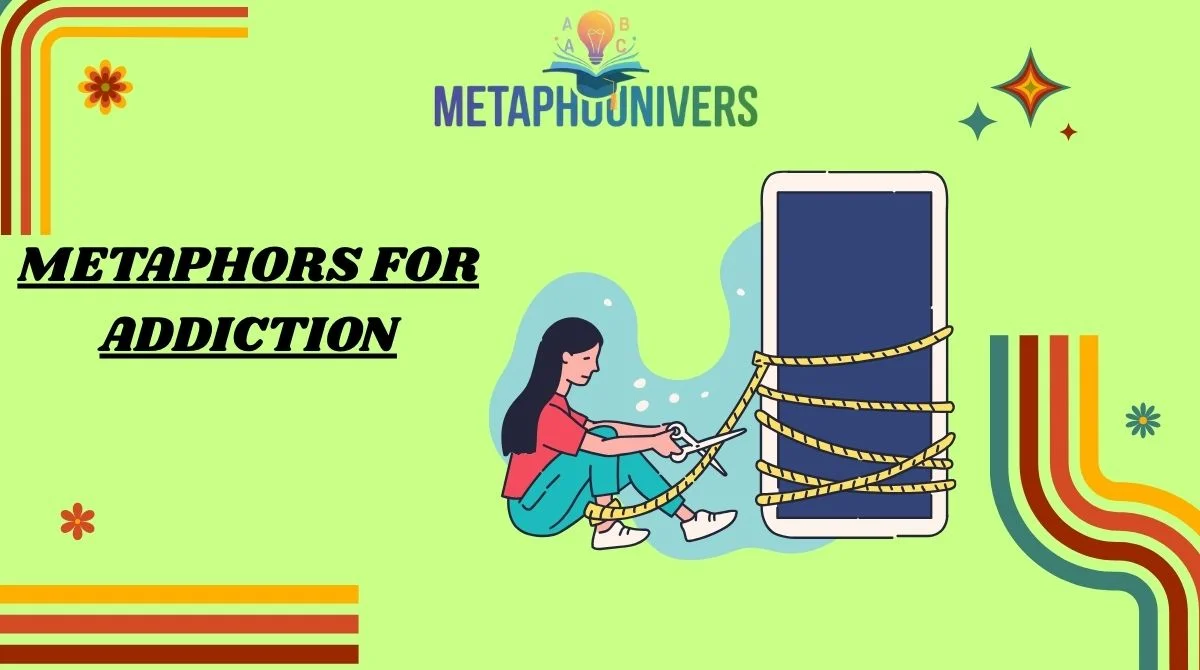
Instead of simply saying someone struggles with addiction, a metaphor can paint addiction as a storm, a cage, a shadow, or a wildfire consuming everything in its path. Through symbolism, writers give emotional depth to abstract pain.
Metaphors for addiction are especially powerful because addiction itself often feels larger than ordinary language can explain.
It changes perception, behavior, relationships, and identity. A well-crafted metaphor captures the tension between temptation and destruction, freedom and captivity, hope and despair.
These symbolic comparisons help readers emotionally connect with characters, personal experiences, and social realities.
In literature, poetry, speeches, and storytelling, addiction metaphors create unforgettable imagery. They can express craving, dependency, emotional collapse, recovery, or resilience without sounding clinical or repetitive.
Whether dark and haunting or hopeful and healing, these metaphors help writers communicate complex emotions with precision and beauty.
This guide explores creative, original metaphors for addiction that can elevate your writing while deepening emotional resonance.
Understanding the Symbolism of Addiction
Addiction carries powerful emotional symbolism because it often represents loss of control, inner conflict, and emotional hunger. Writers frequently connect addiction with imprisonment, storms, shadows, or consuming forces because these images mirror psychological struggle.
Emotionally, addiction symbolizes craving that cannot easily be silenced. It can reflect loneliness, escape, fear, guilt, obsession, or desperation. Many metaphors portray addiction as something alive — a predator, parasite, or whispering voice — because addiction often feels active rather than passive.
Psychologically, addiction is associated with cycles. People repeat harmful behaviors despite knowing the consequences. This repetition inspires imagery like spinning wheels, labyrinths, whirlpools, and chains.
Culturally, addiction has appeared throughout literature and mythology as temptation, corruption, or tragic downfall. Ancient stories used enchanted potions, cursed objects, and dangerous songs to symbolize irresistible desire. Modern writing often frames addiction as a collapsing house, a spreading fire, or an endless road with no destination.
In literary works, metaphors for addiction create emotional immediacy. They help audiences feel suffocation, urgency, or hope without lengthy explanation. Strong symbolism transforms personal struggle into something universally understood.
Nature-Based Metaphors
Addiction Is a Wildfire
Meaning & Interpretation
This metaphor presents addiction as something that spreads rapidly and destroys everything in its reach. It begins with a spark and eventually becomes uncontrollable.
Best Used In
Poetry, dramatic storytelling, recovery speeches
Example Sentence
His gambling addiction moved through his life like a wildfire, leaving burned friendships behind.
Why It Works
Wildfires evoke heat, destruction, panic, and unstoppable momentum, creating intense emotional imagery.
Addiction Is a Quicksand Pit
Meaning & Interpretation
The deeper someone struggles, the harder escape becomes. Efforts to break free may feel exhausting and hopeless.
Best Used In
Personal essays, novels, reflective writing
Example Sentence
Every lie pulled her deeper into the quicksand of addiction.
Why It Works
Quicksand creates a terrifying image of gradual sinking and helplessness.
Addiction Is a Poisoned River
Meaning & Interpretation
This metaphor suggests contamination spreading through every part of life, affecting thoughts, relationships, and choices.
Best Used In
Literary fiction, emotional speeches
Example Sentence
The addiction flowed through his family like a poisoned river no one knew how to cleanse.
Why It Works
Rivers symbolize life and movement, so poisoning one creates a disturbing contrast.
Addiction Is an Endless Winter
Meaning & Interpretation
Addiction becomes emotional coldness, isolation, and absence of warmth or growth.
Best Used In
Poetry, introspective narratives
Example Sentence
For years, addiction trapped her inside an endless winter where joy never bloomed.
Why It Works
Winter imagery naturally evokes emptiness, silence, and emotional distance.
Emotional Metaphors
Addiction Is a Hungry Ghost
Meaning & Interpretation
No matter how much it consumes, addiction remains unsatisfied.
Best Used In
Poetry, psychological storytelling
Example Sentence
The bottle became a hungry ghost whispering for more each night.
Why It Works
Ghost imagery creates emotional haunting and endless craving.
Addiction Is a Broken Compass
Meaning & Interpretation
Addiction disrupts direction, purpose, and moral clarity.
Best Used In
Character development, reflective essays
Example Sentence
His addiction turned his instincts into a broken compass spinning without direction.
Why It Works
Compasses symbolize guidance, so a damaged one represents confusion and loss.
Addiction Is a Silent Thief
Meaning & Interpretation
It slowly steals time, identity, relationships, and dreams.
Best Used In
Speeches, memoir writing
Example Sentence
Addiction worked like a silent thief, taking pieces of her life unnoticed.
Why It Works
The image emphasizes gradual destruction instead of sudden collapse.
Dark and Intense Metaphors
Addiction Is a Prison Without Walls
Meaning & Interpretation
The person appears physically free while remaining mentally trapped.
Best Used In
Recovery literature, speeches
Example Sentence
He walked through life inside a prison without walls.
Why It Works
The contradiction makes the emotional captivity feel more haunting.
Addiction Is a Black Hole
Meaning & Interpretation
Everything around the person gets consumed — energy, hope, relationships, and identity.
Best Used In
Science-inspired poetry, dramatic prose
Example Sentence
Her addiction became a black hole swallowing every promise she made.
Why It Works
Black holes symbolize overwhelming force and total destruction.
Addiction Is a Puppet Master
Meaning & Interpretation
Addiction manipulates actions and decisions like invisible strings controlling behavior.
Best Used In
Character-driven fiction
Example Sentence
The craving tugged at him like a puppet master jerking invisible strings.
Why It Works
The metaphor creates vivid imagery of helpless control.
Addiction Is a Rusting Chain
Meaning & Interpretation
Even when old and painful, addiction continues to bind the person.
Best Used In
Poetry, symbolic essays
Example Sentence
Years later, the rusting chains of addiction still clung to his thoughts.
Why It Works
Chains symbolize restraint while rust adds age and decay.
Hopeful and Positive Metaphors
Recovery Is a Sunrise After a Storm
Meaning & Interpretation
This metaphor focuses on healing and emotional renewal after suffering.
Best Used In
Inspirational speeches, recovery writing
Example Sentence
Sobriety felt like a sunrise after years of violent storms.
Why It Works
Sunrise imagery naturally symbolizes hope and rebirth.
Addiction Is a Maze With an Exit
Meaning & Interpretation
The struggle is confusing and exhausting, but escape remains possible.
Best Used In
Motivational essays, counseling materials
Example Sentence
Though addiction felt like a maze, she kept searching for the exit.
Why It Works
The metaphor balances despair with possibility.
Recovery Is Rebuilding a Lighthouse
Meaning & Interpretation
Healing restores guidance, stability, and purpose.
Best Used In
Reflective storytelling, poetry
Example Sentence
Each sober day helped him rebuild the lighthouse he thought was lost forever.
Why It Works
Lighthouses symbolize direction, safety, and resilience.
Poetic and Romantic Metaphors
Addiction Is a Toxic Love Affair
Meaning & Interpretation
The person feels emotionally attached to something destructive.
Best Used In
Poetry, dramatic fiction
Example Sentence
Her addiction resembled a toxic love affair she could neither trust nor abandon.
Why It Works
Romantic imagery captures emotional dependency with intensity.
Addiction Is a Siren Song
Meaning & Interpretation
Temptation appears beautiful while leading toward destruction.
Best Used In
Mythological writing, poetic prose
Example Sentence
The craving called to him like a siren song across dark waters.
Why It Works
The metaphor combines seduction with danger.
Addiction Is Dancing With Shadows
Meaning & Interpretation
The person becomes emotionally entangled with darkness and illusion.
Best Used In
Poetry, lyrical storytelling
Example Sentence
For years she danced with shadows disguised as comfort.
Why It Works
Shadow imagery creates mystery, sadness, and emotional fragility.
Dramatic and Powerful Metaphors
Addiction Is an Earthquake Beneath the House
Meaning & Interpretation
Addiction shakes the foundations of life until everything becomes unstable.
Best Used In
Family dramas, emotional essays
Example Sentence
His addiction was an earthquake beneath the house, cracking every relationship.
Why It Works
Earthquakes symbolize sudden destruction and instability.
Addiction Is a Wolf at the Door
Meaning & Interpretation
The threat constantly waits nearby, ready to return.
Best Used In
Recovery narratives, suspenseful writing
Example Sentence
Even after rehab, addiction still felt like a wolf waiting outside the door.
Why It Works
The image creates tension, fear, and constant vigilance.
Addiction Is a Theater of Mirrors
Meaning & Interpretation
Addiction distorts truth, identity, and self-perception.
Best Used In
Psychological fiction, introspective poetry
Example Sentence
Inside addiction, he wandered through a theater of mirrors where nothing reflected reality.
Why It Works
Mirror imagery represents distortion and fractured identity.
How Writers Use These Metaphors
In Novels
Novelists use addiction metaphors to deepen characterization and emotional conflict. Instead of explaining behavior directly, symbolic language allows readers to experience inner turmoil through imagery.
In Poetry
Poets rely on metaphor to compress emotion into memorable lines. Addiction imagery often appears as storms, shadows, chains, or hunger because poetry thrives on symbolic intensity.
In Speeches
Speakers use metaphors to make difficult subjects emotionally relatable. Powerful imagery creates empathy and helps audiences remember the message.
In Descriptive Essays
Essay writers use metaphors to transform personal experiences into vivid reflections that feel universal and emotionally authentic.
Common Mistakes When Creating Metaphors
Cliché Imagery
Overused phrases weaken emotional impact. Avoid predictable comparisons unless you give them fresh detail or perspective.
Mixed Metaphors
Combining unrelated images can confuse readers. Keep symbolic language consistent.
Overcomplication
A metaphor should deepen meaning, not puzzle the audience. Clear imagery often creates stronger emotion.
Repetition Patterns
Using identical sentence rhythms or repeated descriptive families makes writing feel mechanical. Vary imagery, pacing, and tone.
Practice Exercise
Fill in the Blanks
- His addiction spread through the family like a __________.
- Recovery felt like stepping into a __________ after years of darkness.
- The craving clawed at her like a __________.
- Addiction became a __________ locking every door behind him.
- Each relapse felt like sinking deeper into __________.
- Her lies stacked like __________ around her life.
- Addiction whispered through his thoughts like a __________.
- Sobriety became the __________ guiding him home.
- The habit followed him like a __________ at midnight.
- Addiction shattered trust like a __________ breaking glass.
Create Your Own Metaphor Questions
- Compare addiction to a weather event.
- Create a metaphor connecting addiction with music.
- Describe recovery using ocean imagery.
- Build a metaphor involving light and darkness.
- Compare temptation to an animal or creature.
Frequently Asked Questions
What makes a metaphor for addiction powerful?
A strong metaphor combines emotional truth with vivid imagery that readers instantly understand and remember.
Why are addiction metaphors common in poetry?
Poetry depends on emotional symbolism, and metaphors allow poets to express complex pain with concise imagery.
Can hopeful metaphors describe addiction recovery?
Yes. Images like sunrise, rebuilding, or open doors can symbolize healing and renewal.
How do metaphors improve storytelling?
They deepen emotional atmosphere, strengthen characterization, and make scenes more memorable.
Should metaphors about addiction always sound dark?
Not necessarily. Some metaphors focus on resilience, transformation, and hope rather than destruction.
Conclusion
Metaphors for addiction give writers the power to transform invisible struggles into unforgettable imagery.
Whether addiction appears as a wildfire, a siren song, a prison, or a maze, symbolic language creates emotional connection far beyond literal description.
The strongest metaphors reveal both suffering and humanity. They help readers understand fear, craving, vulnerability, recovery, and resilience in ways ordinary language often cannot.
By experimenting with fresh imagery and avoiding clichés, writers can craft metaphors that feel authentic, haunting, and deeply memorable.
Use these examples as inspiration, then build your own symbolic language to create writing that resonates long after the final sentence.

I am David Cooper, an English language enthusiast and content creator at Metaphounivers, dedicated to simplifying grammar and vocabulary for learners worldwide. I help students build confidence and improve their communication skills through clear, practical lessons.