Metaphors are the heartbeat of vivid writing. They transform ordinary descriptions into emotional experiences by comparing one thing to another in unexpected and imaginative ways.
Instead of plainly describing a person, feeling, or situation, a metaphor paints it with symbolic color and emotional depth.
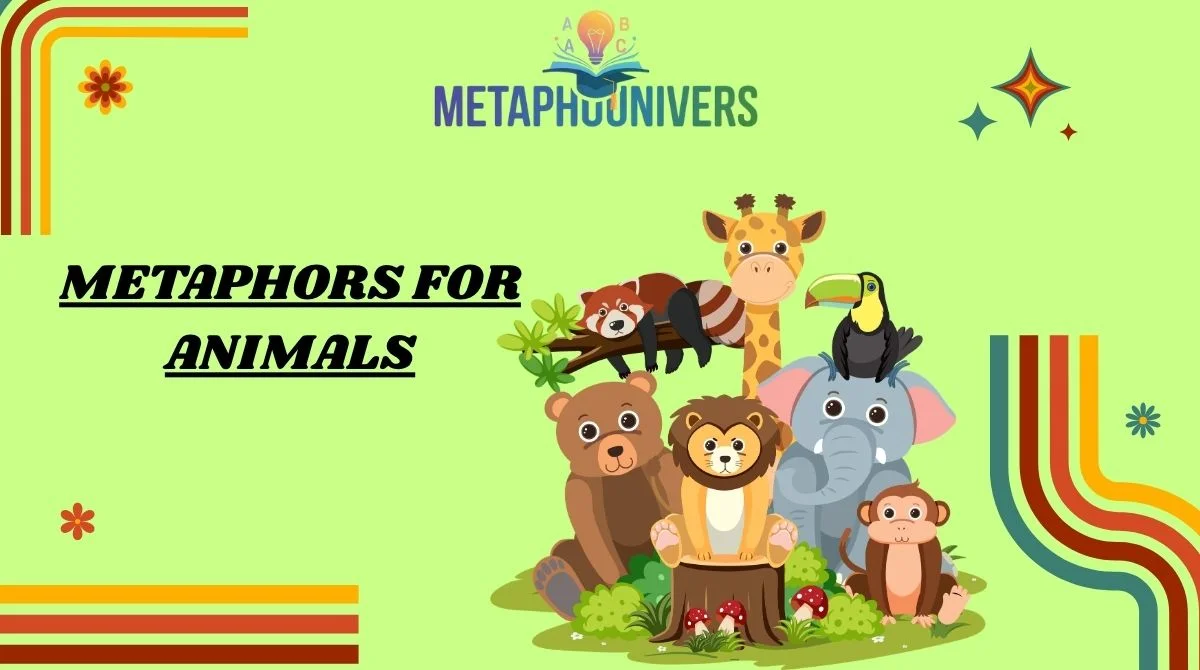
Animal metaphors are especially powerful because animals already carry strong meanings in human culture and storytelling.
A wolf may suggest cunning independence, while a dove can symbolize peace or innocence. Across myths, poetry, novels, and speeches, animals have long acted as mirrors of human emotion and instinct.
Writers use metaphors for animals to create atmosphere, reveal personality, and awaken the reader’s imagination.
A frightened character can become “a rabbit beneath thunder,” while a determined leader may feel “like a hawk slicing through storms.” These comparisons do more than decorate language — they shape mood and meaning.
Whether you write poetry, fiction, essays, or speeches, animal metaphors can add texture, symbolism, and emotional intensity to your work. The right metaphor turns a simple sentence into something unforgettable.
Understanding the Symbolism of Animals
Animals carry emotional weight because humans instinctively connect them with behaviors, survival instincts, and natural energy. A lion often represents courage and dominance, while a fox may imply intelligence wrapped in secrecy. These associations allow writers to communicate complex emotions quickly and effectively.
Psychologically, animal imagery speaks to primal instincts hidden beneath civilized behavior. People understand fear through the trembling deer, stubbornness through the mule, and loyalty through the faithful dog. These symbols feel immediate because they are rooted in observation and collective memory.
Different cultures also attach unique meanings to animals. In some traditions, serpents symbolize wisdom and rebirth, while in others they represent danger or betrayal. Ravens may embody prophecy, mystery, or death depending on literary context.
Writers frequently use animal metaphors to deepen characterization and emotional tone. A ruthless ruler described as “a starving hyena” instantly feels more vivid than a simple description of cruelty. Animal metaphors bridge emotion and imagination, giving language movement, instinct, and life.
Nature-Based Metaphors
A River Full of Wolves
Meaning & Interpretation
Represents a dangerous environment where survival depends on awareness and strength.
Best Used In
Adventure stories, survival narratives, speeches.
Example Sentence
“The corporate world was a river full of wolves, and every mistake smelled like blood.”
Why It Works
The flowing river suggests constant motion while wolves create tension and threat.
A Forest of Sleeping Bears
Meaning & Interpretation
Symbolizes hidden power waiting to awaken.
Best Used In
Fantasy writing, political commentary, dramatic fiction.
Example Sentence
“The quiet town felt like a forest of sleeping bears before the rebellion began.”
Why It Works
The image creates suspense through restrained danger.
A Sky of Hunting Hawks
Meaning & Interpretation
Suggests relentless observation and pressure.
Best Used In
Thrillers, war writing, emotional essays.
Example Sentence
“After the scandal, reporters circled him like a sky of hunting hawks.”
Why It Works
The aerial imagery creates a feeling of exposure and pursuit.
Emotional Metaphors
A Heart Like a Wounded Swan
Meaning & Interpretation
Represents beauty damaged by grief or betrayal.
Best Used In
Romantic poetry, emotional storytelling.
Example Sentence
“Her silence drifted through the room like a wounded swan across dark water.”
Why It Works
Swans combine elegance with vulnerability, creating emotional contrast.
A Mind of Restless Monkeys
Meaning & Interpretation
Describes chaotic or distracted thinking.
Best Used In
Personal essays, modern poetry, reflective writing.
Example Sentence
“Before the exam, my thoughts became a mind of restless monkeys.”
Why It Works
The playful movement of monkeys mirrors mental disorder and scattered focus.
A Soul Beneath Antlers
Meaning & Interpretation
Suggests emotional sensitivity hidden behind strength.
Best Used In
Character-driven fiction, literary prose.
Example Sentence
“He looked fearless, but his soul lived beneath antlers trembling in winter fog.”
Why It Works
Antlers symbolize both majesty and vulnerability.
Dark & Intense Metaphors
A Smile Full of Hyenas
Meaning & Interpretation
Represents false friendliness hiding cruelty.
Best Used In
Psychological fiction, thrillers, dramatic speeches.
Example Sentence
“The politician entered the debate with a smile full of hyenas.”
Why It Works
Hyenas evoke mockery, hunger, and menace.
A Cage of Snakes
Meaning & Interpretation
Describes toxic environments filled with deception.
Best Used In
Political writing, dark fiction, essays.
Example Sentence
“The meeting room became a cage of snakes once accusations began.”
Why It Works
Snakes naturally symbolize suspicion and hidden danger.
A Storm of Black Crows
Meaning & Interpretation
Represents doom, fear, or emotional collapse.
Best Used In
Gothic poetry, horror writing.
Example Sentence
“Regret gathered over him like a storm of black crows.”
Why It Works
Crows create visual darkness and psychological tension.
Hopeful & Positive Metaphors
A Garden of Butterflies
Meaning & Interpretation
Symbolizes transformation and renewal.
Best Used In
Inspirational essays, motivational speeches.
Example Sentence
“After years of hardship, her life became a garden of butterflies.”
Why It Works
Butterflies naturally represent growth and rebirth.
A Dawn Carried by Doves
Meaning & Interpretation
Suggests peace arriving after conflict.
Best Used In
Poetry, speeches, reflective prose.
Example Sentence
“The ceasefire arrived like a dawn carried by doves.”
Why It Works
Doves soften the imagery and introduce emotional calm.
A Horse Running Toward Light
Meaning & Interpretation
Represents determination and hopeful momentum.
Best Used In
Personal development writing, storytelling.
Example Sentence
“Even after failure, she remained a horse running toward light.”
Why It Works
The movement creates energy and emotional optimism.
Poetic & Romantic Metaphors
A Kiss of Fireflies
Meaning & Interpretation
Describes fleeting but magical affection.
Best Used In
Love poetry, lyrical prose.
Example Sentence
“Their reunion felt like a kiss of fireflies beneath summer trees.”
Why It Works
Fireflies create intimacy and glowing softness.
A Voice Like a Nightingale’s Lantern
Meaning & Interpretation
Represents comforting beauty in darkness.
Best Used In
Romantic fiction, emotional poetry.
Example Sentence
“Her song became a nightingale’s lantern during his loneliest winter.”
Why It Works
Combines sound, warmth, and guidance in one image.
Eyes of Silent Deer
Meaning & Interpretation
Suggests innocence mixed with emotional depth.
Best Used In
Character descriptions, romance writing.
Example Sentence
“He carried the eyes of silent deer after the war.”
Why It Works
Deer evoke gentleness and quiet sorrow.
Dramatic & Powerful Metaphors
A Lion Wearing Thunder
Meaning & Interpretation
Represents commanding power and fearless presence.
Best Used In
Epic fantasy, speeches, heroic narratives.
Example Sentence
“The general marched into battle like a lion wearing thunder.”
Why It Works
The combination of lion imagery and thunder amplifies authority.
A Dragon Beneath the Ice
Meaning & Interpretation
Suggests restrained fury or hidden greatness.
Best Used In
Fantasy writing, psychological drama.
Example Sentence
“Beneath his calm expression slept a dragon beneath the ice.”
Why It Works
The metaphor balances stillness against explosive force.
A Pack of Wild Stallions
Meaning & Interpretation
Symbolizes unstoppable energy and freedom.
Best Used In
Adventure writing, motivational content.
Example Sentence
“The protesters moved through the streets like a pack of wild stallions.”
Why It Works
Stallions create movement, passion, and raw force.
A Falcon Chained to Stone
Meaning & Interpretation
Represents trapped ambition or restricted talent.
Best Used In
Emotional essays, dramatic fiction.
Example Sentence
“He spent decades in a job that made him feel like a falcon chained to stone.”
Why It Works
The contrast between flight and confinement creates emotional impact.
A Whale Carrying Memories
Meaning & Interpretation
Suggests emotional depth and ancient wisdom.
Best Used In
Literary fiction, reflective prose.
Example Sentence
“Her grandmother moved through life like a whale carrying memories across oceans.”
Why It Works
Whales evoke age, depth, and emotional gravity.
How Writers Use These Metaphors
In Novels
Novelists use animal metaphors to reveal personality traits without lengthy explanations. A jealous character may slither “like a serpent through conversation,” instantly creating mood and tension.
In Poetry
Poets rely on animal imagery to compress emotion into symbolic snapshots. A single raven or fox can carry loneliness, mystery, or desire across an entire poem.
In Speeches
Public speakers use metaphors to make ideas memorable. Comparing courage to “a charging bull” creates stronger emotional resonance than literal language.
In Descriptive Essays
Essayists use animal metaphors to enrich atmosphere and sharpen observation. Landscapes, cities, and emotions become more alive through symbolic comparison.
Common Mistakes When Creating Metaphors
Cliché Imagery
Overused comparisons lose emotional power. Phrases like “busy as a bee” feel predictable because readers have encountered them too often.
Mixed Metaphors
Combining unrelated images confuses readers. A sentence should not jump from wolves to oceans to lightning without a clear connection.
Overcomplication
A metaphor should deepen meaning, not bury it beneath confusing symbolism.
Repetition Patterns
Using the same emotional tone repeatedly weakens creativity. Variety keeps imagery fresh and memorable.
Practice Exercise
Fill in the Blanks
- His anger prowled through the room like a ________.
- Her dreams fluttered like a field of ________.
- The courtroom felt like a cage of ________.
- His loneliness echoed like a wounded ________.
- The soldiers charged forward like wild ________.
- Her voice drifted softly like a ________ at dawn.
- Fear crawled over him like a hidden ________.
- Their friendship became a bridge of ________.
- The crowd moved like a storm of ________.
- Hope returned like a white ________ crossing the sky.
Create Your Own Metaphor
- Create a metaphor for courage using an animal.
- Create a metaphor for heartbreak using birds.
- Describe ambition through a sea creature metaphor.
- Invent a metaphor for jealousy using insects.
- Create a metaphor for peace using forest animals.
FAQs
Why are animal metaphors effective in writing?
Animal metaphors instantly trigger emotional and symbolic associations, making descriptions more vivid and memorable.
Can animal metaphors improve storytelling?
Yes. They strengthen characterization, atmosphere, and emotional impact by adding symbolic layers to scenes.
What makes a strong metaphor?
A strong metaphor feels original, emotionally clear, and connected to the tone of the writing.
Should metaphors be realistic?
Not always. Imaginative metaphors often create stronger emotional resonance than literal comparisons.
How can I avoid cliché metaphors?
Observe unusual behaviors, combine unexpected imagery, and focus on emotional authenticity instead of familiar phrases.
Conclusion
Animal metaphors give writing instinct, movement, and emotional texture. They transform simple descriptions into living imagery filled with symbolism and atmosphere.
Whether you are writing poetry, fiction, speeches, or essays, these metaphors can deepen emotional impact and make your language unforgettable.
The most powerful metaphors are not copied from tradition — they are discovered through imagination, observation, and emotional truth.
Experiment boldly, combine unexpected images, and allow animals to become symbolic voices within your writing.

I am David Cooper, an English language enthusiast and content creator at Metaphounivers, dedicated to simplifying grammar and vocabulary for learners worldwide. I help students build confidence and improve their communication skills through clear, practical lessons.