Metaphors are the hidden bridges between emotion and language. They transform abstract feelings into vivid experiences the reader can see, hear, and almost physically touch.
Instead of simply saying someone feels anxious, a metaphor can portray anxiety as a tightening storm, a restless engine, or a shadow pacing behind the mind. This creates emotional depth and makes writing more memorable.
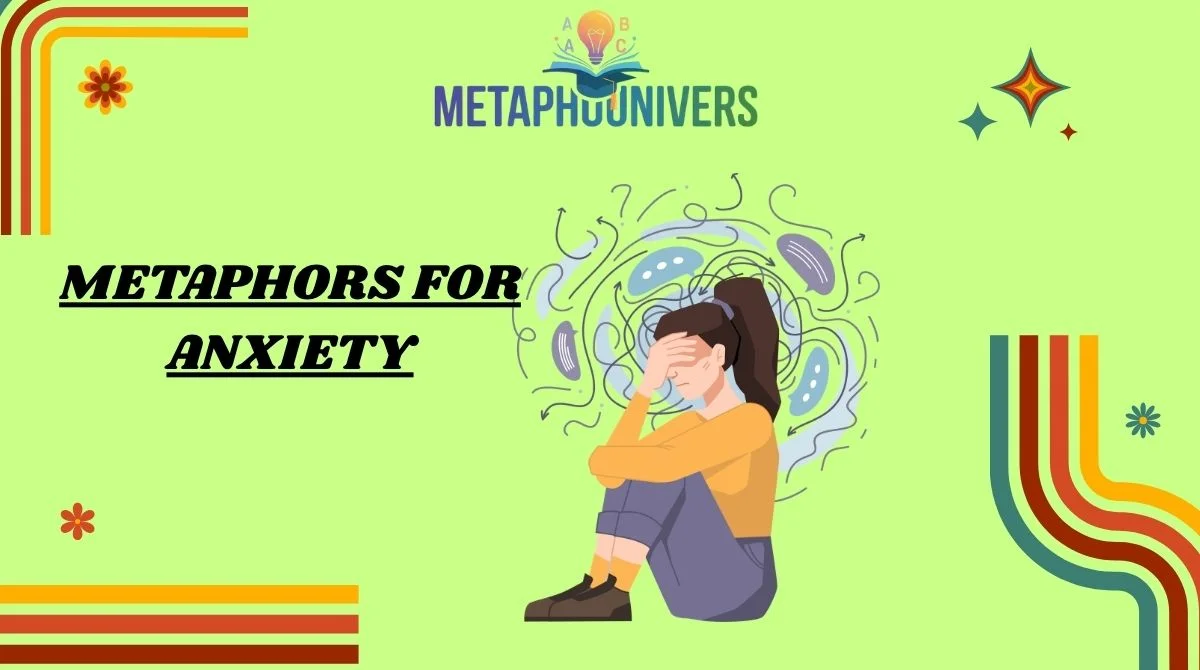
Metaphors for anxiety are especially powerful because anxiety itself often feels difficult to explain. It is invisible, shifting, and deeply personal.
Writers use metaphorical language to give shape to racing thoughts, emotional pressure, fear of uncertainty, and inner conflict. Through imagery, anxiety becomes something tangible — a storm cloud, a ticking clock, or a room with shrinking walls.
These metaphors also carry symbolic meaning. They reveal vulnerability, anticipation, emotional exhaustion, and the struggle between fear and control.
In literature, poetry, speeches, and storytelling, anxiety metaphors help readers connect with emotions they may not easily describe themselves. Strong metaphors do more than decorate language; they allow readers to feel the heartbeat beneath the words.
Understanding the Symbolism of Anxiety
Anxiety symbolizes instability, anticipation, vulnerability, and emotional turbulence. It often represents the fear of what might happen rather than what is actually happening. Because of this, writers frequently connect anxiety to storms, darkness, pressure, or movement without direction.
Psychologically, anxiety is associated with racing thoughts, heightened alertness, self-doubt, and emotional overload. Metaphors help externalize these internal sensations. A writer may describe anxiety as “a hive of hornets in the chest” to express agitation and panic more vividly than literal language could.
Culturally, anxiety is often portrayed as a burden, a ghost, or an approaching disaster. Ancient myths, modern novels, and contemporary poetry all use symbolic imagery to show inner unrest. Some cultures associate anxiety with imbalance, while others portray it as a battle between the mind and unseen forces.
In literature, anxiety metaphors create tension and emotional realism. They allow readers to step inside a character’s mental state. Whether subtle or dramatic, these metaphors deepen atmosphere and emotional resonance.
Nature-Based Metaphors
Anxiety Is a Thunderstorm Trapped Beneath the Skin
Meaning & Interpretation
This metaphor captures emotional pressure waiting to erupt. The storm symbolizes inner chaos, unpredictability, and the inability to remain calm.
Best Used In
Poetry, psychological fiction, emotional essays
Example Sentence
Her smile remained steady, but beneath it a thunderstorm rattled through her thoughts.
Why It Works
Storm imagery instantly creates tension, noise, and instability, reflecting the overwhelming force of anxiety.
Anxiety Is Quicksand Beneath Every Step
Meaning & Interpretation
This metaphor represents the feeling of losing stability no matter how carefully someone moves forward.
Best Used In
Personal narratives, speeches, reflective writing
Example Sentence
Every decision felt like quicksand beneath his feet, dragging confidence downward.
Why It Works
Quicksand creates a vivid image of helplessness and slow emotional sinking.
Anxiety Is a Forest Full of Cracking Branches
Meaning & Interpretation
It symbolizes constant alertness and fear that danger may appear at any moment.
Best Used In
Thrillers, suspense writing, emotional prose
Example Sentence
Her mind became a forest where every cracking branch sounded like disaster approaching.
Why It Works
The metaphor builds suspense and mirrors hyperawareness.
Anxiety Is an Ocean During a Moonless Night
Meaning & Interpretation
This metaphor reflects uncertainty, emotional depth, and fear of the unknown.
Best Used In
Poetry, literary fiction, introspective essays
Example Sentence
He drifted through the meeting like a sailor crossing a moonless ocean.
Why It Works
The darkness and endlessness create emotional isolation.
Emotional Metaphors
Anxiety Is a Clock That Never Stops Ticking
Meaning & Interpretation
This metaphor expresses relentless mental pressure and constant anticipation.
Best Used In
Modern fiction, speeches, motivational writing
Example Sentence
Inside her chest ticked a clock that refused to rest.
Why It Works
The sound of ticking naturally builds tension and urgency.
Anxiety Is a Cage Built From Invisible Bars
Meaning & Interpretation
It represents emotional restriction and feeling trapped despite appearing free.
Best Used In
Essays, memoirs, character-driven fiction
Example Sentence
He walked through crowded streets carrying a cage no one else could see.
Why It Works
Invisible bars symbolize psychological imprisonment perfectly.
Anxiety Is a Fire Alarm No One Can Turn Off
Meaning & Interpretation
This metaphor portrays constant mental alertness and emotional exhaustion.
Best Used In
Creative nonfiction, speeches, dramatic storytelling
Example Sentence
Her thoughts blared like a fire alarm echoing through an empty building.
Why It Works
The relentless noise mirrors intrusive worry.
Dark and Intense Metaphors
Anxiety Is a Wolf Pacing in the Shadows
Meaning & Interpretation
The wolf symbolizes fear, danger, and instincts waiting to strike.
Best Used In
Dark poetry, suspense novels, gothic writing
Example Sentence
A wolf paced through his mind whenever silence entered the room.
Why It Works
The image creates unease and emotional tension.
Anxiety Is a House With Shrinking Walls
Meaning & Interpretation
This metaphor reflects panic, claustrophobia, and mounting emotional pressure.
Best Used In
Psychological fiction, emotional scenes
Example Sentence
During the interview, the room felt like a house with shrinking walls.
Why It Works
Readers can instantly visualize suffocating pressure.
Anxiety Is Rust Eating Through Iron
Meaning & Interpretation
It symbolizes gradual emotional damage and quiet mental erosion.
Best Used In
Literary essays, reflective poetry
Example Sentence
Anxiety spread through his confidence like rust consuming iron.
Why It Works
Rust represents slow but destructive deterioration.
Anxiety Is a Puppet Master Pulling Invisible Strings
Meaning & Interpretation
This metaphor shows how anxiety controls thoughts and actions without being seen.
Best Used In
Drama, philosophical writing, essays
Example Sentence
Even simple conversations felt controlled by a puppet master hidden in his mind.
Why It Works
The imagery emphasizes loss of control.
Hopeful and Positive Metaphors
Anxiety Is a Storm That Eventually Runs Out of Rain
Meaning & Interpretation
This metaphor acknowledges emotional struggle while suggesting hope and endurance.
Best Used In
Inspirational speeches, healing poetry
Example Sentence
She reminded herself that every storm eventually runs out of rain.
Why It Works
It balances emotional realism with optimism.
Anxiety Is a Knot Waiting to Be Untangled
Meaning & Interpretation
It portrays anxiety as something difficult but manageable.
Best Used In
Self-help writing, counseling discussions
Example Sentence
His fears resembled a knot slowly loosening with patience and trust.
Why It Works
Knots symbolize complexity without hopelessness.
Anxiety Is Fog Before Sunrise
Meaning & Interpretation
This metaphor suggests confusion and uncertainty that can eventually clear away.
Best Used In
Poetry, reflective essays, motivational writing
Example Sentence
Her anxious thoughts were only fog before sunrise.
Why It Works
The transition from darkness to light creates emotional comfort.
Poetic and Romantic Metaphors
Anxiety Is a Violin String Pulled Too Tight
Meaning & Interpretation
This metaphor captures emotional tension and fragility.
Best Used In
Romantic poetry, lyrical prose
Example Sentence
His nerves trembled like a violin string stretched beyond comfort.
Why It Works
The musical imagery conveys beauty mixed with strain.
Anxiety Is a Candle Flickering Against the Wind
Meaning & Interpretation
It represents vulnerability and emotional instability.
Best Used In
Poetry, emotional storytelling
Example Sentence
Her courage flickered like a candle fighting the wind.
Why It Works
The delicate imagery evokes sympathy and tension.
Anxiety Is a Bird Trapped Inside the Ribcage
Meaning & Interpretation
This metaphor reflects panic, restlessness, and emotional confinement.
Best Used In
Poetry, memoirs, literary fiction
Example Sentence
A frantic bird battered its wings against his ribs before every performance.
Why It Works
The physical sensation feels immediate and vivid.
Dramatic and Powerful Metaphors
Anxiety Is an Earthquake Beneath a Calm City
Meaning & Interpretation
This metaphor shows hidden emotional instability beneath outward composure.
Best Used In
Drama, speeches, emotional novels
Example Sentence
Behind her calm expression, an earthquake split through her thoughts.
Why It Works
The contrast between calm and destruction creates intensity.
Anxiety Is a Siren Echoing Across Empty Streets
Meaning & Interpretation
It symbolizes emotional alarm, loneliness, and dread.
Best Used In
Cinematic writing, dramatic poetry
Example Sentence
At midnight, his thoughts sounded like sirens across deserted streets.
Why It Works
The haunting sound creates immediate emotional atmosphere.
Anxiety Is a Battlefield Without a Visible Enemy
Meaning & Interpretation
This metaphor captures emotional exhaustion from fighting unseen fears.
Best Used In
Essays, speeches, emotional fiction
Example Sentence
Every morning felt like entering a battlefield without knowing where the enemy stood.
Why It Works
The war imagery reflects internal struggle powerfully.
How Writers Use These Metaphors
In Novels
Novelists use anxiety metaphors to reveal a character’s internal conflict without lengthy explanation. A shrinking room or pounding storm can instantly communicate emotional distress.
In Poetry
Poets rely on metaphor to compress emotion into memorable imagery. Anxiety becomes symbolic, musical, and emotionally layered.
In Speeches
Public speakers use relatable metaphors to build emotional connection with audiences. Simple imagery helps listeners understand complex feelings quickly.
In Descriptive Essays
Essayists use metaphors to make personal experiences more immersive and emotionally authentic.
Common Mistakes When Creating Metaphors
Using Overused Imagery
Repeated clichés like “butterflies in the stomach” can weaken originality.
Mixing Conflicting Metaphors
Combining unrelated images creates confusion instead of emotional clarity.
Making Metaphors Too Complicated
Overly abstract comparisons may distance readers emotionally.
Repeating Similar Patterns
Using identical emotional imagery repeatedly can make writing feel predictable.
Practice Exercise
Fill in the Blanks
- Anxiety crawled through his thoughts like __________.
- Her fear became a __________ trapped beneath silence.
- The meeting felt like standing in the middle of __________.
- His worries circled endlessly like __________.
- Anxiety spread through the room like __________.
- Her thoughts crashed together like __________.
- Fear sat on his shoulders like __________.
- The uncertainty felt like wandering through __________.
- Anxiety roared inside her chest like __________.
- His nervousness trembled like __________.
Create Your Own Metaphor
- Compare anxiety to a natural disaster.
- Create a metaphor involving music.
- Describe anxiety using an animal image.
- Write a metaphor connecting anxiety with darkness.
- Invent a hopeful metaphor showing recovery from anxiety.
FAQs
Why are metaphors for anxiety important in writing?
They transform invisible emotions into vivid imagery readers can emotionally connect with.
What makes a strong anxiety metaphor?
A strong metaphor combines originality, emotional clarity, and sensory detail.
Can anxiety metaphors be positive?
Yes. Some metaphors portray healing, resilience, and emotional growth.
Are metaphors useful in speeches?
Absolutely. They help audiences visualize emotions quickly and remember ideas longer.
How can writers avoid cliché metaphors?
By using fresh imagery, personal observations, and unexpected symbolic connections.
Conclusion
Metaphors give anxiety a voice when ordinary language feels too limited. They turn invisible emotions into storms, shadows, oceans, and flickering candles that readers can instantly recognize and feel.
Whether you write poetry, fiction, essays, or speeches, creative metaphors deepen emotional impact and strengthen your storytelling.
The best metaphors are not only descriptive — they are alive with emotion, tension, symbolism, and imagination.
Experiment with different images, explore unusual comparisons, and allow your writing to capture anxiety in ways that feel authentic and unforgettable.

I am David Cooper, an English language enthusiast and content creator at Metaphounivers, dedicated to simplifying grammar and vocabulary for learners worldwide. I help students build confidence and improve their communication skills through clear, practical lessons.