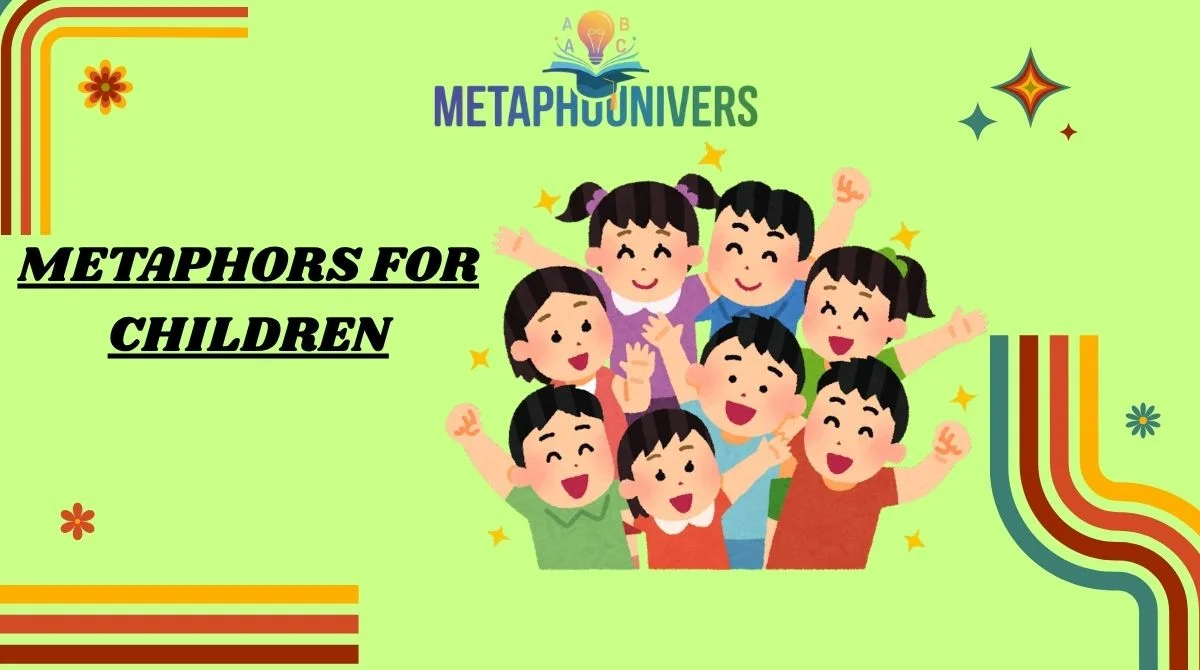
Children are often described in literal ways — playful, curious, energetic, innocent. But metaphors allow writers to move beyond plain description and reveal the emotional heartbeat of childhood.
A carefully chosen metaphor can transform a simple sentence into something unforgettable, painting children as lanterns of hope, wild comets of imagination, or fragile paper boats drifting through the storms of life.
Metaphors for children carry enormous emotional and symbolic weight because childhood itself represents beginnings, growth, wonder, vulnerability, and transformation.
In storytelling, poetry, speeches, and personal essays, these comparisons help readers feel the spirit of youth rather than merely observe it.
A child can become a sunrise after grief, a seed waiting for rain, or even a thunderstorm of endless questions.
Writers use these metaphors to express tenderness, chaos, joy, fear, resilience, and dreams. They create vivid imagery that connects deeply with readers across cultures and generations.
Whether you are crafting a novel, writing poetry, preparing a speech, or teaching creative writing, these metaphors can bring warmth, color, and emotional depth to your work.
Understanding the Symbolism of Children
Children symbolize possibility. They represent unfinished stories, unexplored roads, and futures still glowing on the horizon. In literature, a child often embodies innocence before experience reshapes the world.
Emotionally, children are connected to purity, wonder, trust, and vulnerability. Writers frequently use childhood imagery to awaken nostalgia or to remind readers of forgotten hope. A laughing child in a story can soften darkness, while a lonely child can magnify tragedy.
Psychologically, children symbolize growth and potential. Their endless curiosity mirrors humanity’s desire to learn, discover, and imagine. Because of this, metaphors about children often revolve around nature, light, movement, seasons, or fragile objects.
Culturally, children are viewed as the future of families, communities, and nations. Many traditions compare children to blossoms, stars, rivers, or gifts from heaven because they represent continuity and renewal.
In literature, children can appear as symbols of rebirth, rebellion, hope, chaos, or emotional truth. Authors use them not only as characters but as reflections of society itself.
Nature-Based Metaphors
Children Are Seeds Waiting for Rain
Meaning & Interpretation
This metaphor highlights hidden potential. Like seeds beneath soil, children contain possibilities that flourish when nurtured with love, guidance, and opportunity.
Best Used In
Inspirational essays, educational speeches, parenting articles, poetry.
Example Sentence
The children sat quietly in the classroom, seeds waiting for rain from a teacher who believed in them.
Why It Works
The image of dormant seeds creates a sense of growth, patience, and future transformation.
Children Are Wildflowers in the Wind
Meaning & Interpretation
This comparison captures freedom, unpredictability, and natural beauty.
Best Used In
Poetry, memoirs, descriptive storytelling.
Example Sentence
The village children raced through the fields like wildflowers dancing in the wind.
Why It Works
Wildflowers evoke untamed beauty and individuality rather than perfect uniformity.
Children Are Morning Sunrises
Meaning & Interpretation
Children symbolize new beginnings and hope after darkness.
Best Used In
Motivational writing, emotional speeches, novels.
Example Sentence
After years of sorrow, her children became morning sunrises brightening every corner of her life.
Why It Works
Sunrise imagery naturally carries warmth, renewal, and emotional optimism.
Children Are Rivers Finding Their Course
Meaning & Interpretation
This metaphor reflects personal growth and the journey toward identity.
Best Used In
Coming-of-age stories, educational essays.
Example Sentence
Every child is a river finding its course through the mountains of life.
Why It Works
Rivers symbolize movement, persistence, and natural evolution.
Emotional Metaphors
Children Are Mirrors of the Heart
Meaning & Interpretation
Children often reflect the emotions, values, and behaviors of the adults around them.
Best Used In
Psychological essays, family narratives.
Example Sentence
The frightened child became a mirror of the fear hidden inside the household.
Why It Works
Mirrors create strong emotional symbolism connected to reflection and truth.
Children Are Unwritten Songs
Meaning & Interpretation
Every child contains untold stories, dreams, and possibilities.
Best Used In
Poetry, graduation speeches, inspirational content.
Example Sentence
The classroom buzzed with unwritten songs waiting for the world to hear them.
Why It Works
Music imagery gives emotional softness and artistic depth.
Children Are Tiny Lanterns
Meaning & Interpretation
This metaphor emphasizes innocence bringing light into difficult situations.
Best Used In
Emotional storytelling, reflective essays.
Example Sentence
Even during hardship, the children remained tiny lanterns glowing in the darkness.
Why It Works
Lanterns symbolize warmth, comfort, and guidance.
Children Are Open Windows
Meaning & Interpretation
Children view the world with honesty, curiosity, and transparency.
Best Used In
Philosophical essays, speeches.
Example Sentence
Talking to children feels like standing beside open windows on a spring morning.
Why It Works
Open windows suggest clarity, freshness, and limitless perspective.
Dark and Intense Metaphors
Children Are Glass Birds
Meaning & Interpretation
This metaphor emphasizes fragility and emotional sensitivity.
Best Used In
Serious fiction, dramatic poetry.
Example Sentence
The abandoned children moved through the shelter like glass birds afraid of breaking.
Why It Works
Glass and birds together create delicate, haunting imagery.
Children Are Silent Earthquakes
Meaning & Interpretation
Children can quietly transform families and lives in profound ways.
Best Used In
Character-driven novels, emotional essays.
Example Sentence
Her newborn son became a silent earthquake that reshaped her entire world.
Why It Works
The contrast between silence and destruction creates emotional power.
Children Are Shadows Searching for Light
Meaning & Interpretation
This metaphor reflects loneliness, neglect, or emotional struggle.
Best Used In
Social commentary, dramatic literature.
Example Sentence
The forgotten children wandered the streets like shadows searching for light.
Why It Works
Shadow imagery creates sadness while still hinting at hope.
Hopeful and Positive Metaphors
Children Are Stars Before Dawn
Meaning & Interpretation
Children symbolize hope shining before brighter days arrive.
Best Used In
Inspirational speeches, uplifting stories.
Example Sentence
The refugees protected their children like stars before dawn.
Why It Works
Stars naturally symbolize guidance and hope during darkness.
Children Are Kites in the Sky
Meaning & Interpretation
Children need freedom while still remaining connected to guidance.
Best Used In
Parenting essays, reflective writing.
Example Sentence
Parents must learn when to loosen the string and let their children become kites in the sky.
Why It Works
Kites balance freedom with protection.
Children Are Sparks in Dry Wood
Meaning & Interpretation
Children bring energy, excitement, and rapid change.
Best Used In
Humorous storytelling, lively narratives.
Example Sentence
The cousins burst into the quiet house like sparks in dry wood.
Why It Works
The metaphor creates instant movement and energy.
Children Are Rain After Drought
Meaning & Interpretation
Children can restore joy, healing, and emotional renewal.
Best Used In
Emotional memoirs, heartfelt speeches.
Example Sentence
After years of loneliness, their daughter arrived like rain after drought.
Why It Works
Rain imagery carries emotional relief and rebirth.
Poetic and Romantic Metaphors
Children Are Pages Yet to Be Written
Meaning & Interpretation
This metaphor emphasizes untold futures and limitless possibilities.
Best Used In
Literary essays, graduation speeches.
Example Sentence
Each child enters the world as a page yet to be written.
Why It Works
Blank-page imagery connects naturally to destiny and imagination.
Children Are Fireflies at Twilight
Meaning & Interpretation
Children bring fleeting beauty and wonder into ordinary moments.
Best Used In
Poetry, nostalgic storytelling.
Example Sentence
The playground shimmered with children like fireflies at twilight.
Why It Works
Fireflies create magical and cinematic imagery.
Children Are Poems with Heartbeats
Meaning & Interpretation
Children embody emotion, beauty, and emotional rhythm.
Best Used In
Creative nonfiction, sentimental writing.
Example Sentence
To their grandmother, the children were poems with heartbeats.
Why It Works
The metaphor merges art and humanity in a memorable way.
Dramatic and Powerful Metaphors
Children Are Storms of Questions
Meaning & Interpretation
This metaphor captures endless curiosity and restless imagination.
Best Used In
Humorous essays, classroom writing.
Example Sentence
The kindergarten class arrived as storms of questions no adult could fully answer.
Why It Works
Storm imagery emphasizes unstoppable energy.
Children Are Compasses for the Future
Meaning & Interpretation
Children guide societies toward what comes next.
Best Used In
Political speeches, educational writing.
Example Sentence
A nation’s children are compasses for the future it hopes to build.
Why It Works
Compasses symbolize direction, guidance, and destiny.
Children Are Drums of Tomorrow
Meaning & Interpretation
Children announce the arrival of change and new generations.
Best Used In
Poetry, motivational speeches.
Example Sentence
Their laughter echoed through the streets like drums of tomorrow.
Why It Works
Drums create rhythm, movement, and anticipation.
How Writers Use These Metaphors
In Novels
Novelists use metaphors for children to deepen emotional connection and reveal character relationships. A child described as “a cracked lantern” instantly suggests vulnerability without lengthy explanation.
In Poetry
Poets rely on metaphor to compress emotion into vivid imagery. Comparing children to stars, rivers, or fragile wings allows readers to feel multiple emotions at once.
In Speeches
Public speakers use child-centered metaphors to inspire empathy and hope. These comparisons make messages more memorable and emotionally persuasive.
In Descriptive Essays
Essayists use metaphors to transform ordinary childhood scenes into rich sensory experiences filled with symbolism and emotional depth.
Common Mistakes When Creating Metaphors
Using Cliché Imagery
Avoid overused comparisons like “children are angels” unless you add a fresh twist or deeper meaning.
Mixing Metaphors
Do not combine unrelated images in the same sentence. A child cannot logically be both “a roaring ocean” and “a fragile candle” simultaneously without confusion.
Overcomplicating the Comparison
Strong metaphors feel natural. If readers must struggle to understand the image, the emotional impact weakens.
Repeating Similar Imagery
Using the same family of images repeatedly can make writing feel predictable. Balance light imagery with movement, sound, texture, or seasonal symbolism.
Practice Exercise
Fill in the Blanks
- The children ran through the park like __________.
- Her little brother was a __________ during difficult times.
- The classroom became a __________ of imagination.
- Each child in the orphanage felt like __________.
- The twins were __________ filling the home with energy.
- The shy child sat quietly like __________.
- Their laughter spread across the street like __________.
- Children are __________ waiting for guidance.
- The young artist was a __________ of creativity.
- The students entered the hall like __________.
Create Your Own Metaphor
- Compare children to something found in nature.
- Create a metaphor showing childhood curiosity.
- Invent a metaphor expressing emotional fragility.
- Describe playful children using weather imagery.
- Write a hopeful metaphor about a child’s future.
FAQs
What are metaphors for children?
Metaphors for children are imaginative comparisons that describe childhood qualities through symbolic imagery instead of literal language.
Why are child metaphors powerful in writing?
They create emotional depth, vivid imagery, and stronger connections between readers and characters.
Can metaphors for children be dark or dramatic?
Yes. Writers often use darker metaphors to express vulnerability, neglect, fear, or emotional struggle.
How do poets use metaphors about children?
Poets use them to compress emotion into memorable images that symbolize innocence, growth, wonder, or hope.
What makes a child metaphor effective?
An effective metaphor feels emotionally truthful, visually vivid, and easy for readers to imagine.
Conclusion
Metaphors for children open endless creative possibilities for writers. They transform ordinary descriptions into emotional experiences filled with beauty, symbolism, and imagination.
A child can become a sunrise, a storm, a lantern, or a river depending on the emotion a writer wishes to reveal.
The most memorable metaphors do more than decorate sentences — they uncover hidden truths about innocence, vulnerability, growth, and hope.
By experimenting with different images, tones, and emotional layers, writers can create comparisons that linger in readers’ minds long after the final sentence.
Use these metaphors as inspiration, then shape your own unique imagery to capture the extraordinary spirit of childhood in fresh and unforgettable ways.

I am David Cooper, an English language enthusiast and content creator at Metaphounivers, dedicated to simplifying grammar and vocabulary for learners worldwide. I help students build confidence and improve their communication skills through clear, practical lessons.